
Description
We are leaving Quetzaltenango at 8am or 14pm to explore the indigenous villages surrounding the city , focused on the villages with the most beautiful and historically interesting colonial churches in this part of the country . Of course we are not limiting ourselves to only the churches … let’s start our tour !!!
SAN ANDRES XECUL
The main attraction is the colorful church , the highlight of the town and likely the reason why you should visit this place . The church’s facade is painted a vivid yellow (a color with meaning in Maya culture), and decorated with around 200 figures: angels, saints, jaguars, quetzal birds, corn, plants and other symbols blending Catholic and Maya imagery. Its dome is painted with bright, colorful stripes — sometimes likened to a “Maya-style ball,” symbolizing cultural roots. Inside, you’ll find a traditional Catholic altar, chandeliers made with glass, coins and rosaries, candles, and images of Christ and the saints. Visiting the church gives you a vivid example of cultural syncretism: indigenous Maya beliefs and Christian (Catholic) faith intertwined. This church is widely considered one of the most visually striking religious buildings in Guatemala.
We will also walk up to a little chapel , a good viewpoint for panoramic views of the town below and the surrounding highland landscape . Wandering the steep, narrow streets of the village can also be a nice experience — you get a sense of daily life, local architecture, and a hillside-town vibe. If you happen to visit at the right time:The festival in honor of San Andrés Apóstol (patron saint of the town) is celebrated each year around late November – early December, with the main day on 30 November.
SALCAJÁ
The biggest landmark is Ermita de la Concepción (also called “La Conquistadora”). It dates from 1524, and it ‘s considered among the oldest — some say the first Catholic church built in what was then Central America. Visiting this church gives you a sense of Guatemala’s early colonial and religious history, and how the Spanish influence merged with local contexts. Salcajá is also known for its textile tradition: many homes in the town engage in weaving “cortes” — the traditional Mayan/ladino wrap-skirts. Never tasted the ROMPOPO or CALDO DE FRUTAS ? , this will be your opportunity . Salcajá celebrates a fiesta patronal (town’s main holiday) around 21–25 August, in honor of San Luis Rey de Francia. During these days there are religious activities, parades, cultural events, fairs, music, dances, food and community gatherings.
SAN CRISTÓBAL TOTONICAPÁN
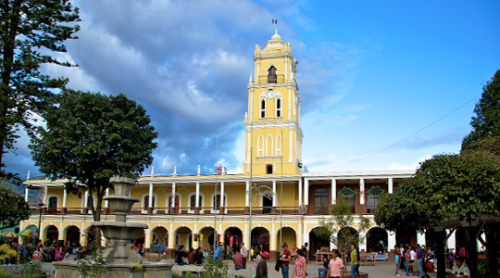
San Cristóbal Totonicapán is a peaceful highland town with strong K’iche’ Maya roots, colonial history, and a relaxed local atmosphere. It is not a big tourist destination — which makes it excellent if you like authentic villages and quiet culture.Visit the Colonial Church of San Cristóbal , the main landmark in town . Built between the 16th and 18th centuries by Franciscan missionaries.It is considered one of the oldest colonial churches in the region.The style mixes early Romanesque and Baroque elements.You can appreciate the old façade, sacristy, and remaining chapels.If you enjoy architecture, old churches, or history, this is the highlight of the visit.
Walk Around the Central Park , small but charming with gardens – trees – benches and a music kiosk . A good place to observe everyday life and take photos.where local families, students, and elders spend time here. It’s perfect for a quiet break, especially if you enjoy authentic village atmospheres. It’s not touristy — so you get a very real sense of highland community life.The main “fiesta titular” is celebrated around July 25th each year. The patron saint honored is San Cristóbal Mártir but local tradition also recognizes Santiago Apóstol as a co-patron, and some descriptions of festivities mention both saints—especially during the extended celebration period from July 20 to July 26.
Information
-
Availability:
Daily
-
Departure time:
08:00 AM / 02:00 PM
-
Duration:
4:00 hours. approximately.
-
Pick up point:
Your hotel in the center of Quetzaltenango
-
Included:
English or Spanish speaking guide, entrance fees, private transportation (round trip)
-
Not Included:
Tips to guides, water or snaks.
-
What to bring:
-
Price :
55 USD per person


Reviews
There are no reviews yet.